
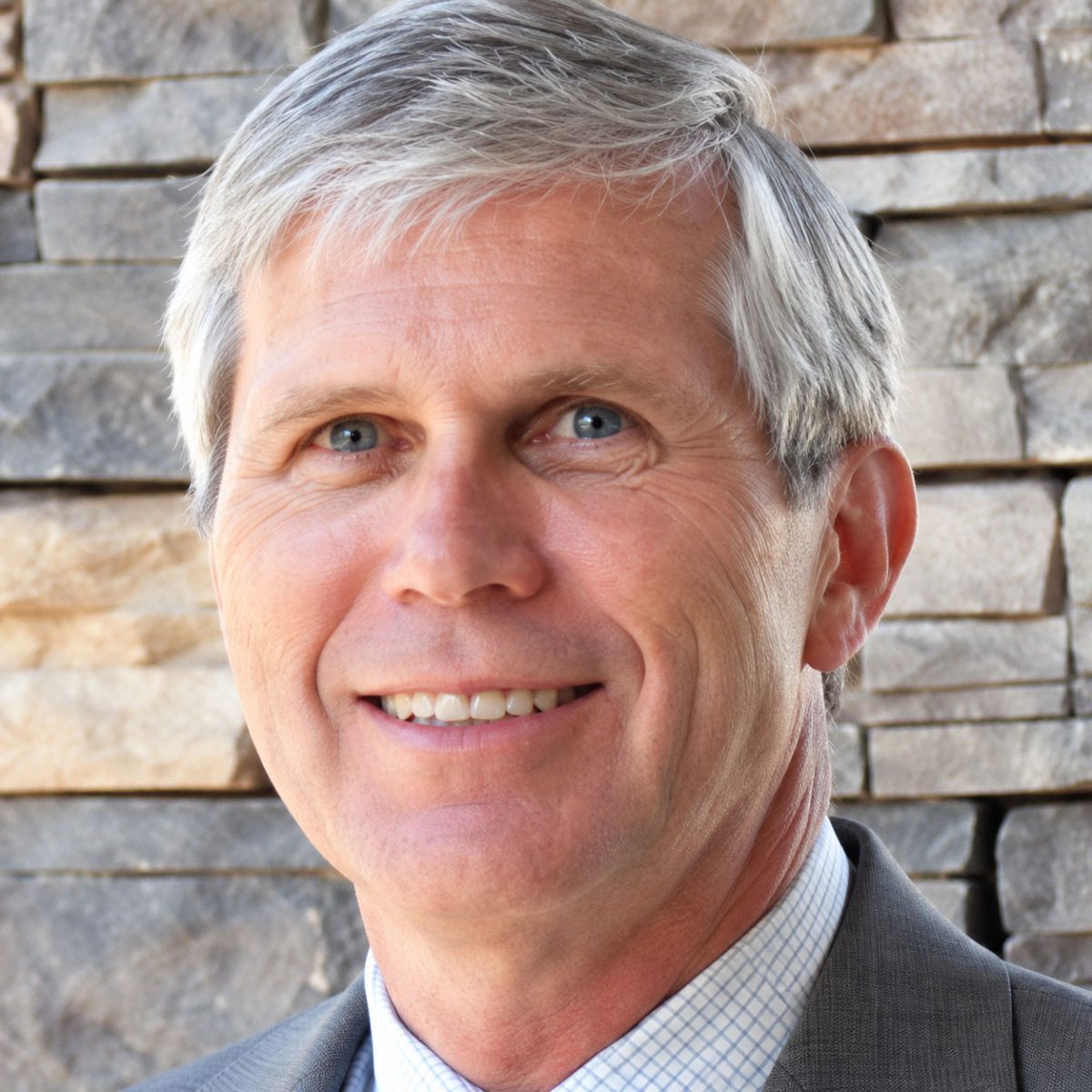
Tom Dozier
Behaviorist Misophonia Treatment Institute
Overview
Tom is a behaviorist and applies the basic science of human behavior to help others. A part of this science involves human reflexes and how we acquire them. Misophonia is an acquired reflex to the trigger sounds, sights, and other stimuli. Tom applies this science to misophonia so that the reflex reaction to the sound is significantly reduced (or goes away). This is done by creating experiential situations where the controlling brain neurology can reduce the reflex response of misophonia.
It is the behavioral interventions which Tom provides (activities, actions, and behavior skills) that allow the reflex behavior to change. The behavior of misophonia has been identified through research studies as a neurological reflex behavior, and such behavior develops and is controlled by the principles of neuroplasticity or the ability of the brain to change through experience.
Tom also applies his research and experience to educate individuals on misophonia including how it develops, expands, and continues. His teaching on misophonia is especially beneficial on ways an individual can make environmental changes that will greatly reduce the suffering caused by misophonia and prevent the steady worsening of misophonia with time.
Tom expects and hopes that individuals will feel better as they resolve their misophonia, but Tom is not treating emotional or interpersonal distress, and if that sort of treatment is required, Tom would be able to make a referral to a licensed mental health professional or neuropsychotherapist.
Tom does not provide treatment of unconscious or unintended thought and associated behavior. Additionally Tom makes no attempts to directly address emotional and interpersonal dysfunction and conflict. To be clear, Tom is a behaviorist and not a psychologist or psychotherapist.
Tom is not providing psychological services involving the application of psychological principles, methods, and procedures of understanding, predicting, and influencing behavior, such as the principles pertaining to learning, perception, motivation, emotions, and interpersonal relationships. Tom does not provide psychotherapy, which works to modify feelings, conditions, attitudes, and behaviors that are emotionally, intellectually, or socially ineffectual or maladaptive.
Misophonia is not a recognized condition in the DSM-5, and researchers have recommended that it be considered a unique, discrete disorder. More specifically, misophonia is not a sensory processing disorder as referred to in the DSM.
Tom is a behaviorist (and a very good one) whose years of research in misophonia have helped him identify effective behavioral treatments that reduce the misophonic reflex responses and thereby reduce and in some cases completely eliminate the suffering caused by misophonia.
Tom received a Master’s of Science from California State University, Stanislaus in 2012 in an interdisciplinary program titled, “Behavior Analysis and the Family.” His primary career focus is on parenting and parenting skills (see 3LParenting.com, guaranteedpt.com, or LDSParentCoach.org). Tom became interested in misophonia because he worked with parents of children with misophonia. He recognized that the misophonic reaction to trigger sounds was an involuntary reflex behavior. As such, misophonia triggers should respond similar to other acquired reflexes. Tom saw an opportunity to help individuals suffering with a condition that had no known cure.
Based on the research in acquired reflexes and relevant published journal articles, Tom developed behavioral treatment methods for misophonia. He has applied these methods successfully to individuals to reduce their suffering. When the treatment conditions are right, individuals experience a great decrease in the reflex reactions to trigger sounds or even have no reaction (cured) for that trigger.
Tom’s first career was as a manufacturing engineer. He began his career in parent training in 2003 because of the help he received from Dr. Glenn I. Latham on parenting concerns. Tom received a graduate certificate in applied behavior analysis in 2004. He received a certification of board certified assistant behavior analyst in 2008. He received his MS in Behavior Analysis from CSU Stanislaus in 2012 and received a certification of board certified behavior analyst that same year. In 2017 Tom was awarded the Behavior Analyst Mastery Certification: Behavioral Consultation and Clinical Behavior Therapy (BAMC:BCCBT) by the Board of Behavior Analyst Specialties.
